

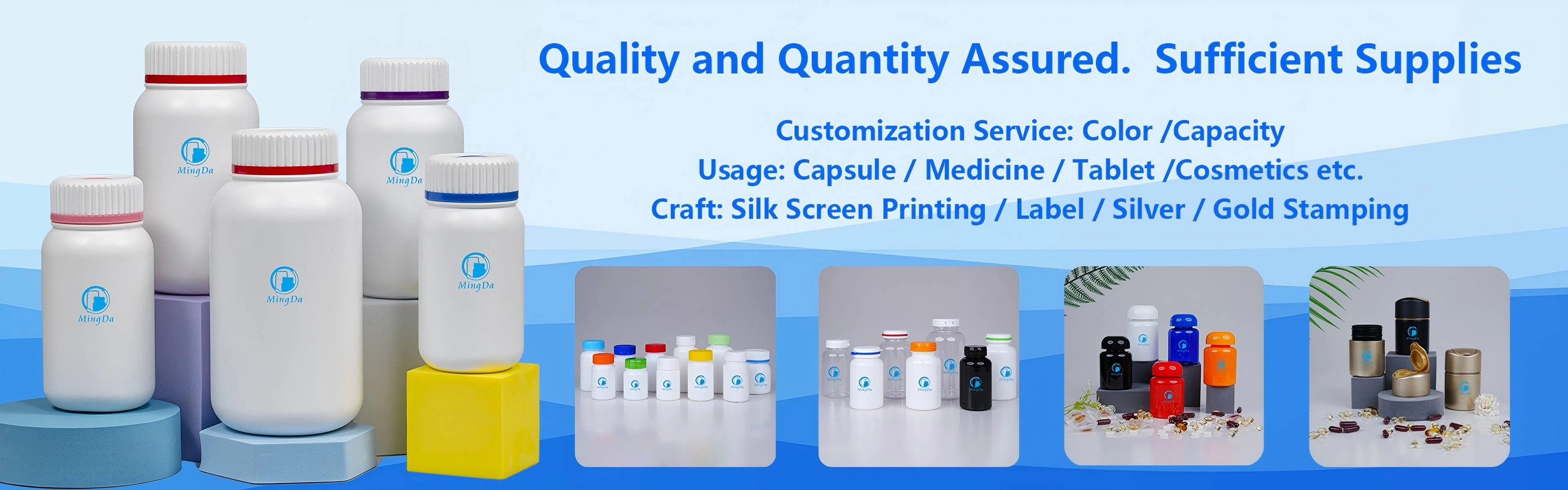
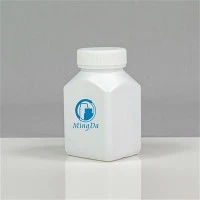
Polyethylene Terephthalate, better known as PET, is one of the most common materials used for beverage and food packaging. But a question often asked by both businesses and consumers is: Do PET bottles expire?
Understanding PET Resin: The Basics
PET (Polyethylene Terephthalate) is a type of clear, lightweight, and strong plastic used extensively in water bottles, juice containers, and food packaging. It's FDA-approved and recognized as safe for food and beverage contact.
Key characteristics of PET include:
- High strength-to-weight ratio
- Excellent barrier properties against moisture and gases
- Resistance to impact and breakage
- Fully recyclable (resin code #1)
PET resin does not "expire" in the traditional sense, but like all materials, it can degrade over time-especially under certain environmental conditions.
What Affects the Shelf Life of PET Bottles?
While PET itself is chemically stable, its performance can be influenced by several external factors. Here are the key contributors to PET bottle degradation:
- UV Light Exposure
Prolonged exposure to sunlight can break down the polymer chains in PET, leading to discoloration and reduced strength.
- Heat and Temperature Fluctuations
High temperatures can accelerate oxidation and compromise the bottle's structural integrity over time.
- Moisture and Humidity
Although PET resists water absorption, storing bottles in extremely humid environments can impact labels, caps, and overall packaging quality.
- Storage Time
While an unused PET bottle can last for several years, the ideal shelf life is 12–24 months for packaging purposes, depending on the product inside.
How to Store PET Bottles for Maximum Shelf Life
To keep your PET bottles in optimal condition, consider the following best storage practices:
📦 Keep them in a cool, dry place – ideally below 25°C (77°F)
☁️ Avoid direct sunlight or fluorescent lighting
🔒 Use airtight secondary packaging to minimize dust and contamination
🗂️ Practice FIFO (First In, First Out) to avoid over-aging inventory
For businesses, proper warehousing and environmental control are critical to maintaining PET bottle quality for long-term storage.
PET Resin Helps Keep Beverages Fresh
One of the key reasons PET is used in beverage bottles is its excellent barrier properties. PET resin prevents:
- Oxygen from entering the bottle and oxidizing the drink
- Carbon dioxide from escaping carbonated beverages
- Moisture from altering product consistency
When properly sealed and stored, PET bottles help preserve flavor, color, and aroma-making them ideal for juice, soda, and water packaging.
Common Myths About PET Bottles
Let's clear up a few common misconceptions:
🔸 Myth 1: PET bottles release harmful chemicals over time
✔️ Fact: PET is stable and does not leach harmful substances under normal use conditions.
🔸 Myth 2: PET bottles are single-use only
✔️ Fact: PET is durable and can be reused several times if cleaned properly. However, it's important to note that bottles are designed for single-use hygiene in commercial settings.
🔸 Myth 3: PET plastic isn't recyclable
✔️ Fact: PET is one of the most widely recycled plastics globally and can be reprocessed into fibers, packaging, and even new bottles.
Conclusion: Do PET Bottles Expire?
PET bottles don't have a strict expiration date, but their performance can degrade if stored improperly or for extended periods. By understanding how PET behaves and how to store it correctly, you can maximize shelf life and ensure product quality and safety.
If you're sourcing high-quality PET packaging, look for manufacturers like Mingda, who offer customized, food-grade PET bottles with professional storage guidance and global certifications.