

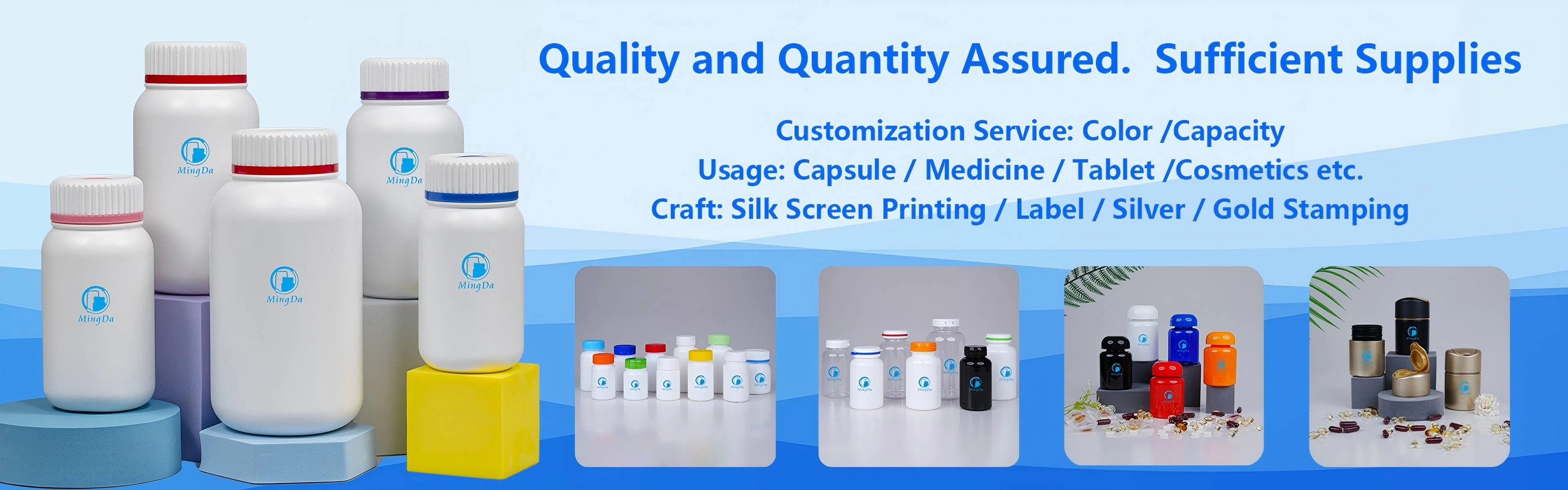

When it comes to supplements, the formula and benefits are obviously important. But I've learned the hard way that packaging can make or break a product. A poor pill bottle can lead to leaks, broken seals, inconsistent quality, or delayed shipments-and suddenly, your product doesn't meet expectations.
I've spent years watching supplement brands and sourcing professionals navigate these challenges. In this post, I'll share my perspective on how to choose a reliable OEM or private label manufacturer for custom pill bottles. My goal is to give you practical guidance so you can avoid common pitfalls and make informed decisions.
Do You Really Need Custom Pill Bottles?
Many new brands start with off-the-shelf bottles, and that's fine at first. But you should consider custom bottles when:
- Your capsules or tablets don't fit standard bottles
- You want a unique look or brand-specific color/shape
- You need consistent packaging for long-term sales
- You're targeting strict markets like the US or EU
I usually tell people: if you don't want to switch suppliers, start custom early constantly. It saves a lot of headaches down the road.
Six Key Things to Consider When Ordering Custom Pill Bottles
1. Material Matters
In supplements, the most common materials are:
- HDPE: Great for light-sensitive products like vitamins and powders
- PET: Transparent and strong-perfect for gummy supplements or capsules you want customers to see
- PP (caps): Heat-resistant and durable
Don't just ask what's available. Tell the manufacturer:
- The type of product
- Whether it's moisture- or light-sensitive
- Where are you planning to sell it
A good supplier will recommend the best material based on your product, not just what's in stock.

2. Shape and Size Affect User Experience
I see brands focus on milliliters, but how a bottle feels in hand is often more important than its capacity.
Things to check:
- Is the opening easy to use?
- Does it feel comfortable to hold?
- Will it stack well for storage and shipping?
Most manufacturers offer bottles from 30ml up to 7000ml, but the practical design makes a real difference. Always request a physical sample before committing.
3. Sealing System Is Crucial
I can't stress this enough: most returns are caused by poor sealing, not defective bottles.
Common options include:
- Semi-Open Pull-Tab Aluminum Foil Liner
- Pressure-sensitive seals
- Heat-seal foils
- Pull-tab foils


If you sell internationally, check what tests the seal passes:
- Infrared spectroscopy detection
- Torque/closure strength
- Capping force test


These small details ensure your product arrives safely to customers.
4. Understand OEM vs Private Label
A lot of people mix these up. Here's the difference:
- OEM: You design the bottle, the manufacturer produces it
- Private Label: You use an existing mold and apply your brand
For new brands, I usually recommend starting with private label to test the market, then moving to OEM once your product gains traction. It's not about saving money-it's about lowering risk.
5. Certifications Are More Than Paper
Important documents include:
- FDA compliance for materials
- Food contact statements
- ISO certifications
- Third-party tests like SGS
I advise asking not just "do you have these?", but "can you provide them with each order?". The difference tells you a lot about the manufacturer's professionalism.
6. Samples and Lead Times Reveal True Capability
For me, how fast and accurately a manufacturer handles samples is the real test.
Pay attention to:
- Does the sample match the promised specs?
- Are changes handled quickly and clearly?
- Are color and dimension adjustments consistent?
If the sample stage goes smoothly, mass production usually will too.
How to Spot a Manufacturer Worth a Long-Term Partnership
I look for suppliers who:
- Explain materials and design choices clearly, not just quote a price
- Point out potential risks instead of just agreeing with everything
- Communicate minimum order quantity (MOQ), lead times, and change policies upfront
- Keep a consistent point of contact
If a supplier is vague during initial discussions, it usually gets worse later.
Final Thoughts
I used to think pill bottles were just "containers." Now I see them as the first touchpoint between your brand and your customer.
Choosing the right custom pill bottle manufacturer-OEM or private label-can save you time, money, and frustration. Ask the right questions early, and you'll avoid most common mistakes.