


1. Cap Types
1.1 Screw Cap
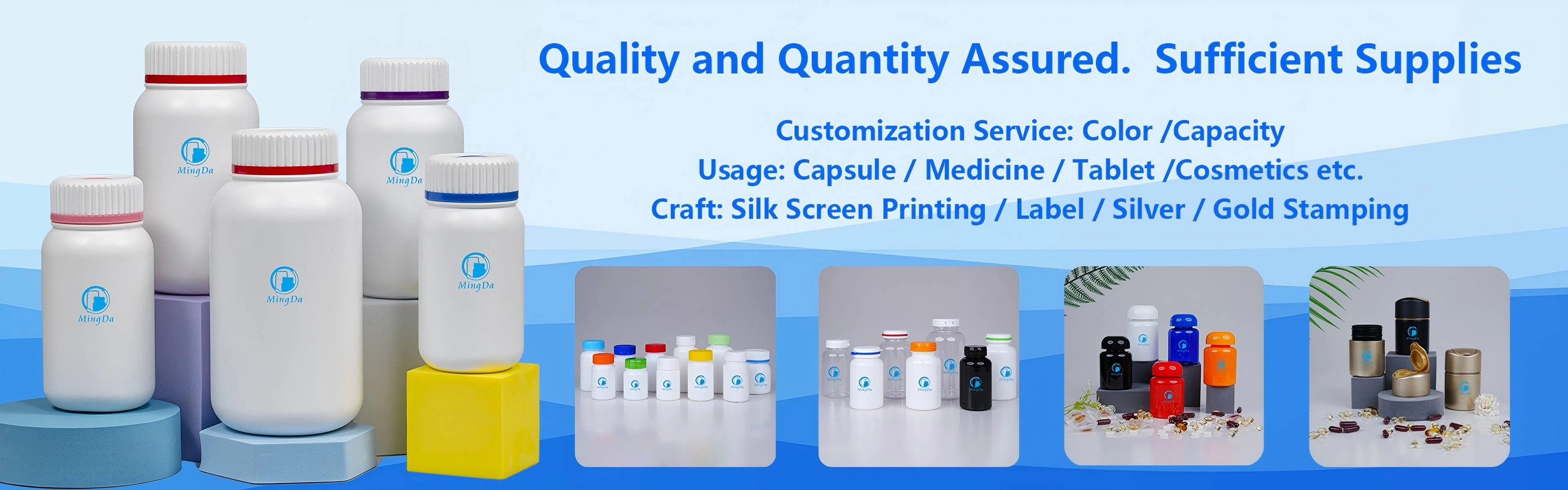
A threaded cap that seals the bottle by twisting. Simple to operate and widely used in packaging for food, pharmaceuticals, and health supplements. Typically paired with liners such as pressure-sensitive seals or induction foil to enhance sealing performance.
1.2 Child-resistant Cap
A safety cap that requires a push-and-turn or other multi-step opening mechanism to prevent accidental access by children. Commonly used for pharmaceutical and chemical products. Designed to meet international safety regulations.

1.3 Tear-off Cap
Made primarily of LDPE, this cap includes a tear-off tab. The consumer removes the strip to access the contents, ensuring tamper evidence. Often used in single-use or hygiene-sensitive applications such as medical and baby care packaging.
2. Aluminum Foil Sealing Methods
2.1 Induction Heat Seal (IHS)
This method uses electromagnetic induction to heat and bond an aluminum foil liner to the bottle rim. It creates a strong, tamper-evident seal and is widely used for liquids, supplements, cosmetics, and chemical products. Requires specialized induction sealing equipment.
2.2 Pressure-sensitive Seal
A self-adhesive liner inside the cap that bonds to the bottle mouth under pressure - no heat equipment is needed. It is easy to apply, supports automated packaging, and leaves a visible seal when opened, helping prevent tampering. Suitable for dry goods such as tablets or capsules.
2.3 Aluminum Foil Seal (Single-piece Foil)
A single-layer foil that is heat-sealed directly onto the bottle mouth using a sealing machine. Provides excellent moisture and leak resistance, improving product shelf life and appearance. Commonly used for powders, liquids, and sensitive contents.