


Plastic bottles are ubiquitous-found in beverages, skincare, household cleaners, and more. But have you ever wondered: are plastic bottles UV-resistant? This matters for product shelf life, safety, and aesthetics. Let's explore it with accuracy and clarity.
1. Understanding the Basics: Plastic + UV = Challenges
UV light (especially UV-A and UV-B) can degrade plastic over time, causing color changes, loss of strength, or even leaking of substances into the contents.
Photo-oxidation occurs when UV light and oxygen act together, breaking down polymers, leading to brittleness, discoloration, and eventual failure.
2. Native UV Blocking in Common Bottle Plastics
Different plastic types have varying natural UV absorption:
PET (Polyethylene Terephthalate) inherently absorbs UV up to ~315–320 nm-helpful, but not enough to block all harmful light.
Without additives, PET remains vulnerable to UV-induced degradation and yellowing, especially under high heat, humidity, and sunlight.
HDPE (High-Density Polyethylene) and PVC-with colorants-can help limit UV transmission, especially with darker shades or colorants added during molding.
Other UV-resistant plastics include Polycarbonate (PC), Acrylic, PP (Polypropylene), PAI, PVDF, etc. These vary in clarity, impact resistance, and UV tolerance.
3. Enhancing UV Protection: Additives, Coatings & Colorants
To truly make plastic bottles UV-resistant, manufacturers often use enhanced methods:
UV Stabilizers/Additives: UV stabilizers (also known as UV inhibitors) are mixed into the plastic resin before molding. They absorb or screen off UV light, reducing photodegradation. Common chemicals include benzophenones and HALS; typical concentrations range from 0.05% to a few percent.
UV Coatings: A surface layer (varnish-like) cured by UV light-adds clarity, scratch resistance, and enhanced UV protection-used a lot in cosmetics packaging.
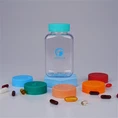
Color Tints: Amber, blue, green, or darker opaque or metallic (e.g., silver, black) skins help block or reflect UV. Dark colors absorb UV but may heat bottles; light reflect colors (white, yellow) reflect UV and help maintain temperature.
4. Practical Insights & Industry Examples
Beverage Packaging: PET bottles often include UV absorbers or colorants to preserve vitamins, flavors, and product stability. Full blocking up to 400 nm often requires additive enhancements.
Skincare & Cosmetics: Amber/blue/green plastic containers or those with UV coatings are popular to protect active ingredients from UV degradation.
Industrial/Safety Applications: Materials like polycarbonate and HDPE are chosen for outdoor resilience. UV-stabilized resins are common in outdoor equipment, automotive parts, and signage.
5. Quick Comparison Table: UV Resistance by Plastic Type
| Plastic Type | Native UV Protection | Enhancement Options | Typical Use Cases |
|---|---|---|---|
| PET | ~315–320 nm absorption | UV absorbers, coatings, tints | Beverages, cosmetics, food packaging |
| HDPE / PVC | Variable with colorants | Colorants, additives | Cleaning products, outdoor containers |
| Polycarbonate, Acrylic | Moderate | Additives, tints | High-impact, UV-exposed equipment |
| Others (PP, PVDF, PAI) | Low to moderate | UV-stabilized resins | Industrial, signage, long-life parts |
6. Takeaways for DTC Brands & Product Owners
No plastic is inherently fully UV resistant-even clear PET allows UV through.
Rely on performance, not assumptions. Evaluate the UV sensitivity of your product and choose packaging accordingly.
Use industry-standard enhancements-UV stabilizers, coatings, colorants-to extend shelf life and preserve quality.
Balance appearance and function-dark tints block UV but may increase heat; balance is key.
Stay compliant and sustainable-select additives safe for food contact and consider the recycling impact of coatings or pigments.