


In today's world, safety and health have become top priorities for both consumers and brands. BPA-free plastic bottles are now the mainstream choice, especially in markets like the US and Europe, where "BPA Free" has become a key selling point.
But here's a question that many buyers still wonder about:
Does being BPA-free automatically mean the bottle meets international safety standards such as ISO 22000 or SGS?
Let's break this down in a simple, honest way.
1. What Does "BPA Free" Really Mean?
BPA, short for Bisphenol A, is a chemical used in some plastics to make them clear and strong. However, research has shown that long-term exposure to BPA can affect human hormones, so many countries - including the US, EU, and Japan - now strictly limit its use in food packaging.
When a plastic bottle is labeled "BPA Free," it simply means the material used does not contain Bisphenol A. Common BPA-free materials include:
HDPE (High-Density Polyethylene)
PET (Polyethylene Terephthalate)
PP (Polypropylene)
These materials are naturally free of BPA and are widely recognized as food-safe plastics. So yes - BPA-free bottles are chemically safe. But that's only part of the story.
2. What Are ISO 22000 and SGS?
Many people confuse "BPA Free" with having an international safety certification. In reality, BPA Free is about the material, while ISO and SGS to safety management and testing systems.
ISO 22000 is a global food safety management standard that ensures every step - from production to packaging - is controlled for hygiene and risk.
SGS is an independent testing and certification company that checks if products meet international safety requirements such as ISO, FDA, or EU standards.
So, a product that's BPA-free doesn't automatically meet ISO or SGS standards. To qualify, it must come from a factory that:
Operates under ISO 22000-certified food safety management;
Passes SGS testing for materials, cleanliness, and overall quality.
Simply put: BPA Free = safe materials. ISO/SGS = safe production system.
3. Why It Matters to Choose an ISO or SGS Certified Manufacturer
From a buyer's point of view, relying on the "BPA Free" label alone can be misleading. The real guarantee comes from working with a manufacturer, supplier, or factory that's certified and transparent.
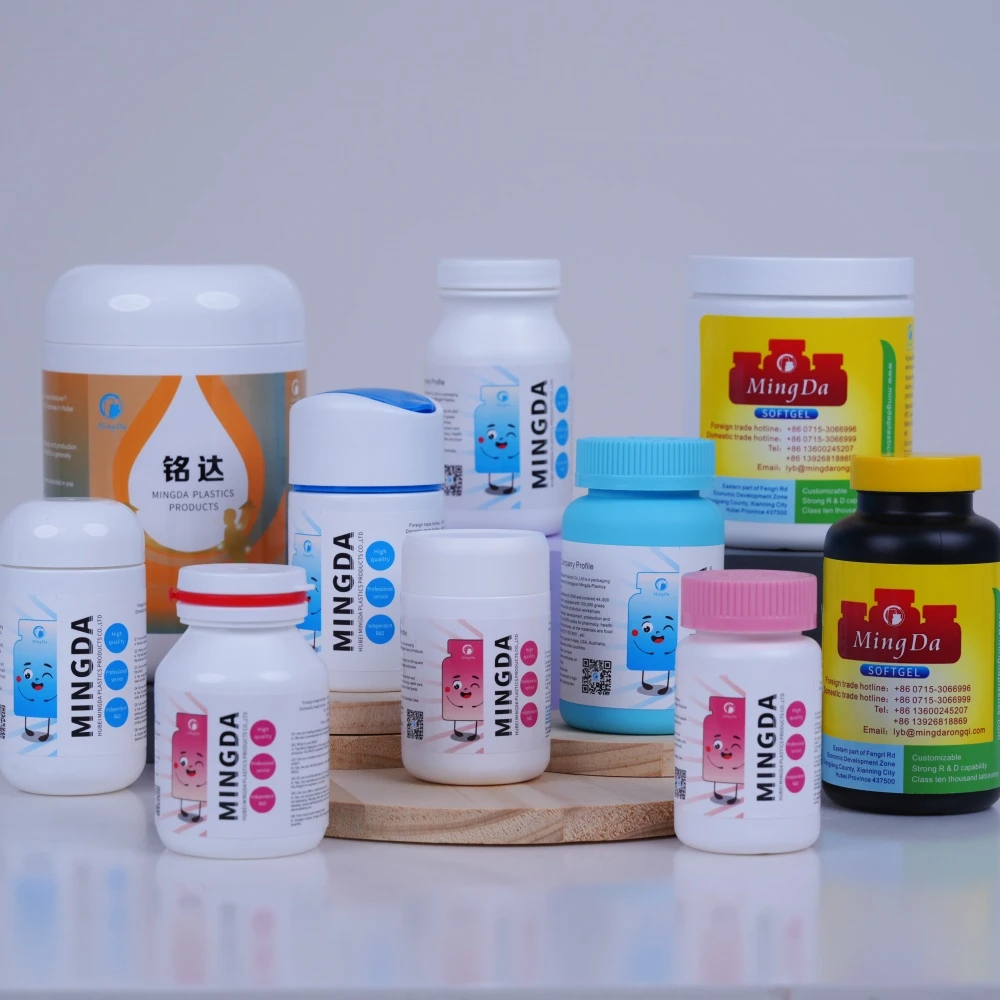
For example, many professional plastic bottle factories in China - like Mingda - provide:
Bottles made from food-grade HDPE, PET, or PP materials;
Production systems certified by ISO 22000, ISO 9001, and ISO 14001;
Product testing and verification by SGS and FDA;
Cleanroom workshops that ensure every bottle meets strict hygiene standards.
This kind of setup goes beyond "BPA Free" - it ensures product safety from raw material to finished packaging.
4. How Can You Tell If a Product Is Truly Safe?
Here are a few easy checks before you buy:
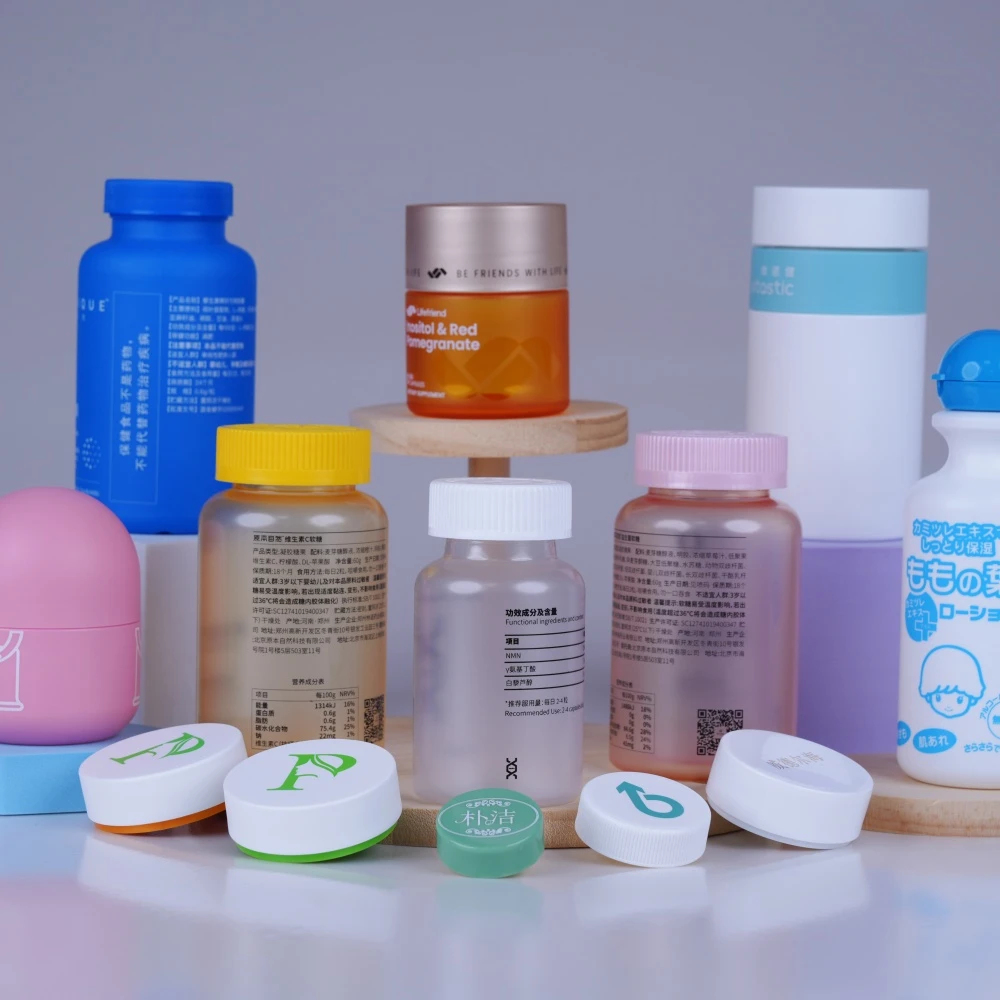
Check the material: Make sure it's HDPE, PET, or PP - not polycarbonate or other BPA-based plastics.
Ask for certifications: Reliable suppliers will provide ISO 22000, SGS, or FDA certificates.
Look at testing details: Good factories perform infrared, sealing, and microbiological tests for every batch.
See how transparent they are: A trustworthy manufacturer is open about materials and reports - not just marketing slogans.

Conclusion:
BPA-free plastic bottles are definitely a step toward safer packaging - but they're not the full picture. To truly meet ISO 22000 or SGS international safety standards, the products must come from a certified manufacturer that follows strict quality and hygiene control systems.
If you're sourcing packaging for food, supplements, or pharmaceuticals, choose a factory that offers verified certifications, clean production, and real testing data. That's how you protect your brand reputation - and give customers peace of mind.