



As someone who spends a lot of time digging into packaging trends and supply-chain details, I've tried almost every type of container you can imagine. Over time, I've noticed one thing: if I want food to stay fresh for months-not days-airtight plastic jars often end up being the most practical choice. They're durable, affordable, and surprisingly reliable when I pick the right structure and the right material.
This guide breaks down everything I look at when choosing airtight plastic jars for long-term storage. My goal is simple: help you understand what matters, what doesn't, and what you should always double-check before buying.
1. The Short Version
For long-term storage of nuts, grains, spices, protein powders, snacks, or anything dry, a food-grade airtight plastic jar usually performs better than glass in terms of weight, impact resistance, and cost.
I always pick PET or HDPE depending on whether I need transparency or stronger barrier performance.
The real sealing power comes from the cap design + liner choice + material permeability.
Before buying in bulk, I check certifications, sealing tests, drop tests, and temperature resistance.
And of course-store food dry, reduce headspace, keep jars away from direct light, and label everything clearly.
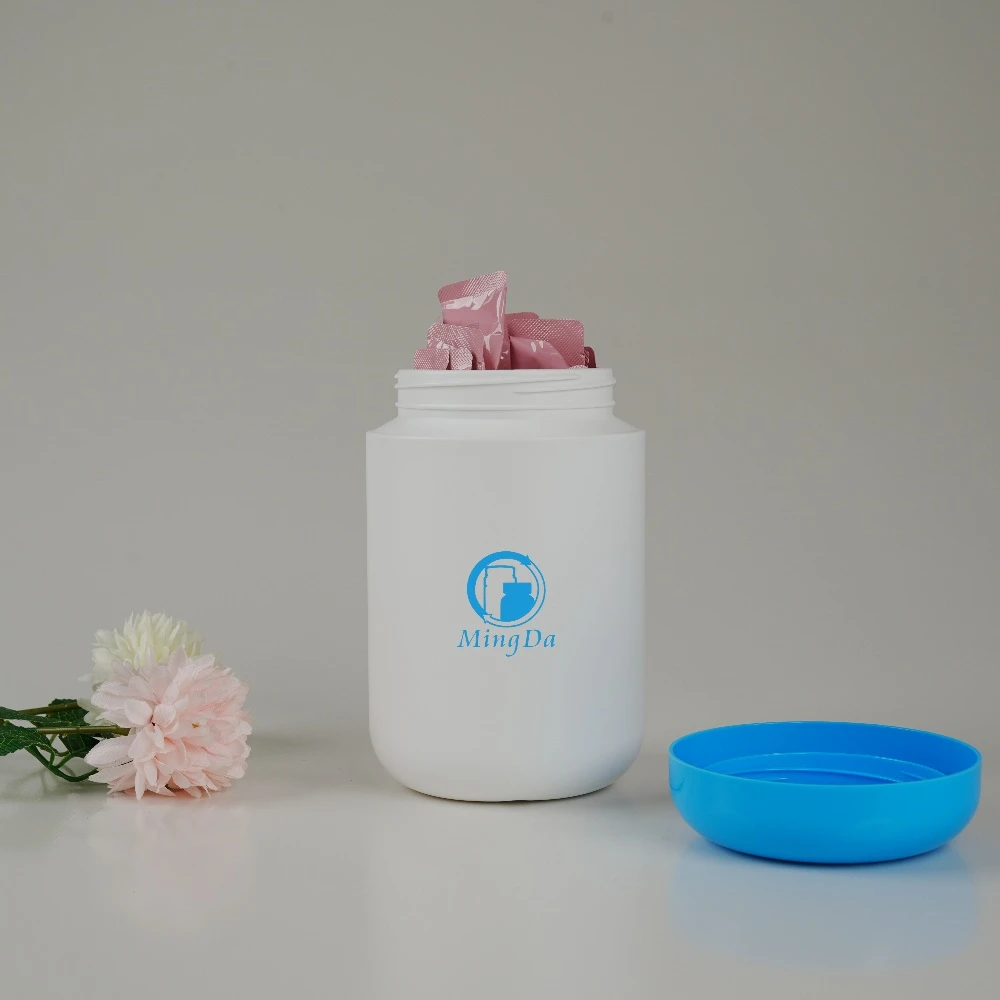
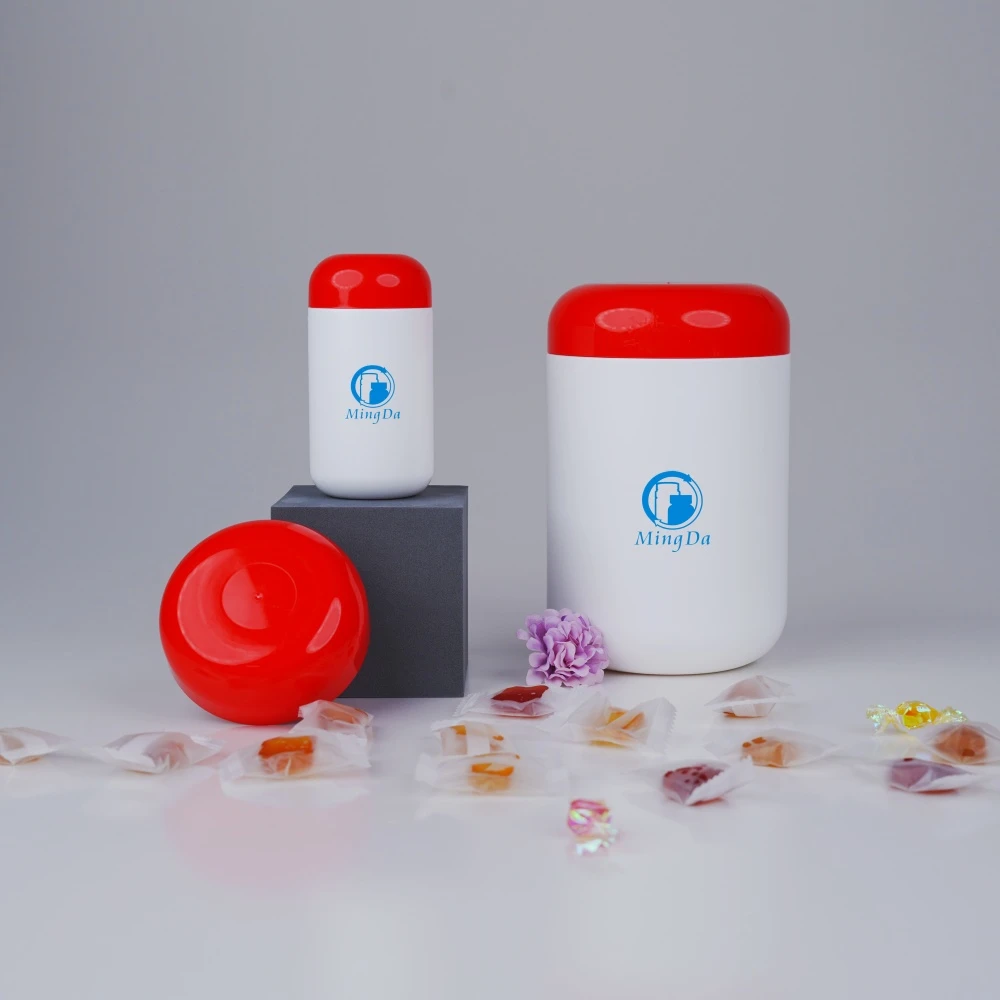
2. What "Airtight" Actually Means
People often think airtight is just a fancy way of saying "the lid is tight."
In reality, airtight performance depends on three things:
Cap and neck fit – things like thread depth, sealing rims, and closure tolerances matter more than most people realize.
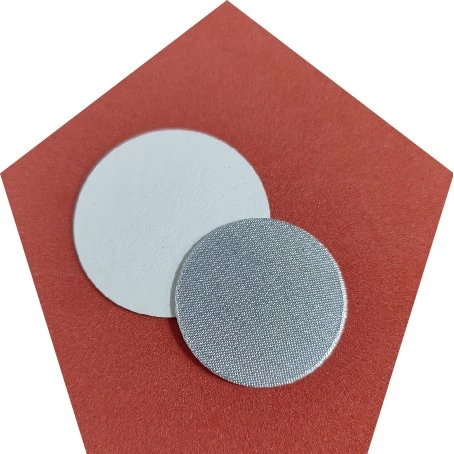
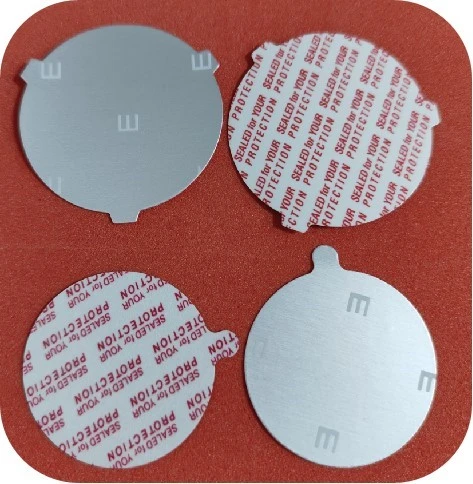
Liner type – pressure-sensitive liners, heat-sealed foils, foam liners, and silicone layers all seal differently.
Material properties – PET and HDPE have different levels of oxygen and moisture permeability, which affects shelf life.
If one of these elements underperforms, the whole container underperforms.
3. PET vs HDPE vs PP: Choosing the Right Material
PET (Polyethylene Terephthalate)
Clear, glossy, and great for showcasing food.
Offers good oxygen barrier performance.
Works well for nuts, snacks, powders, and anything that benefits from visibility.
Not the best option for high-heat applications.
HDPE (High-Density Polyethylene)
Tough, durable, and more resistant to heat and impact.
Has good moisture resistance and stable chemical properties.
A strong choice for long-term storage or outdoor environments.
Not transparent, so it doesn't display the product as well.
PP (Polypropylene)
Great for lids and applications that need heat resistance.
Lightweight and strong.
Lower barrier performance, so I mainly use PP for caps, not jars.


4. What I Always Check Before Choosing a Supplier
When I evaluate airtight plastic jars, I go through a checklist of technical details.
You can use the same list:
Food-grade certificates (FDA, EU standards, migration tests).
Resin type and grade; ensure it's BPA-free.
Liner type: foil, pressure-sensitive, heat-seal, foam, or silicone.
Neck finish and tolerance specifications.
Sealing test results: negative pressure, vacuum, and leak resistance.
Drop-test data (usually 1.0–1.5 meters).
Temperature tolerance (important for warehouses and shipping).
Opening torque test (how hard or easy it is to open).
Microbial or contamination testing when applicable.
Physical samples for hands-on evaluation.
Suppliers with complete documentation are the ones I trust most.
5. Choosing the Right Cap and Liner for Long-Term Storage
The lid makes or breaks the jar. Here's how I choose:

Screw caps – my first choice for airtight storage, especially with foil or pressure-sensitive liners.
Flip-top caps – convenient but less airtight; best for daily-use items.
Double-layer caps – great for transport and added protection.
Heat-seal or aluminum foil liners – ideal for long-term storage, tamper evidence, and moisture control.
Foam or silicone liners – better for everyday resealing and frequent access.
If the goal is long-term freshness, I always lean toward foil liners combined with a well-designed screw cap.
6. Quick DIY Ways to Test Airtight Performance
You can run simple tests even without lab equipment:
Moisture-absorption check
Place a small desiccant pack inside the jar and leave it in a humid environment for 48 hours.
If the desiccant stays dry, the jar seals well.
Negative-pressure squeeze test
Fill a jar with a small amount of water, tighten the lid, and manually create pressure by squeezing. If the jar leaks or pops back too quickly, the seal isn't tight enough.
These aren't perfect methods, but they give you a fast screening tool.
7. Common Mistakes People Make
Focusing only on the material and ignoring the cap/liner structure.
Choosing transparent jars for products that degrade under light.
Forgetting to check tolerances between caps and neck finishes.
Skipping small-batch tests before placing large orders.
Every mistake above can shorten shelf life dramatically.
8. How to Store Food Correctly Inside Airtight Jars
To get the best results:
Keep ingredients dry before filling.
Reduce headspace or use nitrogen flushing if possible.
Add food-safe desiccants for highly moisture-sensitive products.
Store jars in cool, dark places.
Label dates clearly and rotate stock (FIFO).
Run periodic quality checks for long-term storage.
A good jar helps, but a smart storage routine completes the job.
9. If You Buy for E-commerce or Small Brands
Here's what I always recommend:
Test several jar types before choosing your final packaging.
Lock in the sealing method early (foil seal, pressure-sensitive liner, etc.).
Request specs, certificates, tolerance sheets, and MOQ details.
Compare samples side by side for clarity, rigidity, and sealing performance.
Small brands often overlook this step and struggle with inconsistent packaging later.
10. Final Thoughts
When choosing plastic jars for long-term food storage, I always put sealing performance above everything else. A jar can look great, feel premium, and use high-quality resin, but if the sealing system is weak, the food won't stay fresh.
Airtight plastic jars solve this problem with a simple, user-friendly, and cost-effective approach. They're durable, safe, lightweight, and work well for almost any type of dry food.

If you want, I can help you create a material + cap + liner recommendation list based on your exact product type, shelf-life needs, and packaging budget. Just tell me what you plan to store.