

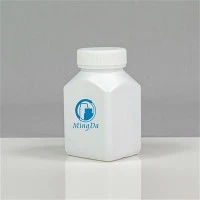
A Complete Guide to Food Grade Plastic Bottles: Definition, Material Safety, and How to Choose
Food, supplements, candies, and capsules all rely heavily on safe packaging. Among the most common containers is the food-grade plastic bottle. Choosing the right food-grade material directly affects product quality, shelf life, and brand credibility.
In this guide, I break down the concept of food-grade bottles, explain how to identify safe materials, detail practical selection tips, and share real-world applications. Whether you are sourcing for a brand, manufacturing, or running a small business, this guide will help you make informed decisions.


What Does a Truly Food-Grade Plastic Bottle Mean?
A food-grade plastic bottle isn't just made from "safe-sounding" materials-it must meet strict scientific and regulatory standards. It must not release harmful substances into food during filling, storage, transportation, or daily use.
Core Standards of Food-Grade Bottles
I always check these points when evaluating a bottle:
1. Materials approved for direct food contact
Reliable materials include:
- HDPE (High-Density Polyethylene)
- PET (Polyethylene Terephthalate)
- PP (Polypropylene)
These plastics pass FDA, SGS, and ISO food safety tests, ensuring they are BPA-free, free of plasticizers, and chemically stable at high and low temperatures.
2. Manufacturing process meets food hygiene standards
A bottle is only as safe as the production environment. I look for:
- Clean production lines
- No use of recycled or contaminated resins
- Compliance with GMP or QS standards
3. No odor, migration, or harmful leaching
A food-grade bottle should never impart smell or taste, and the plastic should remain chemically stable during storage and transport.
4. Verified testing and certifications
Before I trust a bottle, I confirm that it has been tested and certified according to:
- FDA food contact approval
- SGS migration and odor testing
- ISO 9001 quality management
- ISO 22000 food safety management
Additional lab tests like infrared spectroscopy, microbial testing, sealing performance, torque tests, and drop tests provide further confidence in real-world performance.


Common Materials for Food Grade Plastic Bottles
Not all plastics are safe for food contact. From my experience, three main materials consistently deliver safety and performance:
HDPE (High-Density Polyethylene)
Characteristics:
- Heat-resistant (up to 80°C) and cold-resistant (-20°C)
- High toughness, unlikely to crack
- Chemically stable
- Excellent barrier properties
- Opaque, protecting contents from light
Applications: Protein powders, tablets, capsules, nutritional powders, seasonings.

PET (Polyethylene Terephthalate)
Characteristics:
- High transparency for product display
- Good barrier against oxygen and moisture
- High tensile strength for transportation
- Available in transparent, semi-transparent, and colored bottles
Applications: Candies, fruit pieces, capsules, beverages, soft gels, vitamins.
PP (Polypropylene)
Characteristics:
- Safe for food contact
- Heat-resistant, suitable for sterilization
- Minimal chemical migration
- Applications: Bottle caps, spoons, portable boxes, some high-temperature containers.
How I Choose the Right Food Grade Bottle for My Product
Selecting a food grade bottle goes far beyond picking a visually appealing shape. I always evaluate the bottle based on product type, protection needs, transportation environment, and visual presentation.
1. Match the material to the product type
| Product Type | Recommended Material | Reason |
|---|---|---|
| Capsules/Tablets | HDPE / PET | Protects from light, moisture, and contamination |
| Gummies / Candy | PET | Transparency for display, strong barrier |
| Liquid Food | HDPE | Leak-resistant, flexible under pressure |
| Powders / Protein | HDPE | Airtight, impact-resistant |
| High-Temperature Sterilization | PP | Heat-resistant, no deformation |
2. Ensure proper sealing and cap selection
Sealing is critical. I pay attention to:
- Presence of inner liners or gasket
- Aluminum foil sealing (heat-seal or pressure-sensitive)
- Thread match between bottle and cap
- Leakage risk during shipping
Common cap types I consider:
- PP safety caps
- Double-layer PP caps
- LDPE tear-off caps
- Metal-look caps
Different caps affect sealing strength, durability, ease of use, and safety.


3. Verify certifications and test reports
A trusted manufacturer provides tests such as:
- Dimension measurement
- Seal performance
- Torque testing
- Drop tests
- Microbial testing
- Infrared spectroscopy
- Heat/cold resistance
- Aluminum foil seal check
- Vibration testing
Suppliers that can provide these tests reliably demonstrate their production quality.

Microbial testing

Capping force test

Drop test

Torque Tester

Size measurement

Sealing test
4. Consider production environment and material sourcing
Food-grade bottles must come from:
- Food-grade raw materials only
- Clean manufacturing facilities
- Traceable supply chains
- Standardized operational procedures
Cleanroom production and ISO-managed labs often indicate higher reliability.
5. Evaluate transportation risk and batch consistency
I always check:
- Bulk production matches sample quality
- Shipping durability
- Color consistency between batches
- Wall thickness uniformity
- Reinforced packaging options
Packaging stability is often more critical than many brands realize.
Common Misconceptions About Food-Grade Plastics
- Transparent doesn't always mean food grade – HDPE is opaque but extremely reliable.
- Clean appearance isn't enough – certified testing and proper production are essential.
- Lowest price ≠ safest – cheap bottles often use recycled or blended resins, increasing migration risk.
Conclusion: Food Grade Bottles Protect Your Product and Brand
Food-grade plastic bottles do more than hold your product-they ensure safety, extend shelf life, and strengthen consumer trust. When I evaluate bottles, I focus on:
- Material selection (HDPE / PET / PP)
- Sealing performance and cap type
- Verified test reports and certifications
- Manufacturing reliability and consistency
- Suitability for product type and environment
By carefully aligning these factors, choosing a food-grade bottle becomes evidence-based, practical, and reliable.