


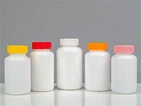
Many types of food products on the market are now packaged in plastic cans. Compared to traditional flexible bags, food packaged in plastic cans is more aesthetically pleasing and the product is more high-end. The protection of the food is more favourable than that of ordinary flexible pouch packaging. As a result, plastic packaging is more common for food products, the more common ones being nuts, cakes and sweets.
These tinned foods are often subject to oxidation during storage. For example, the oxidation of nut foods is an unpleasant food smell. In addition to the unpleasant smell, confectionery foods may also have mould growth. To solve these problems, food manufacturers generally use some preservation methods such as preservatives, antioxidants and deoxidants, while minimising the moisture content of the food. Of these preservation methods, the safety of directly added preservatives is usually influenced by consumers. Preservation with deoxidants is a safer preservation method and the preservation effect is more obvious.
When manufacturers use deoxidisers to preserve plastic canned food, they usually find a problem like this:How are the plastic packaging cans of food deformed? Plastic bottle manufacturers to explain to you.
In sealed plastic cans using ordinary type deoxidizer, deoxidizer will absorb the oxygen in the plastic cans, oxygen accounts for about 21% of the air volume in the cans. When the strength of the plastic tank is not strong enough to resist the external air pressure, the plastic tank will shrink and deform.
In solving the problem of plastic can deformation, some manufacturers use wrong methods, such as deliberately punching holes in the sealing can film or using deoxidisers that are small or even do not absorb oxygen. This method solves the problem of plastic deformation in cans, but has no effect on the preservation of the food. Piercing the airtight can, the air outside the can can quickly enter the can, the deoxidiser quickly fails, the oxygen concentration inside the can does not drop, the oxidation problem still occurs; when using a small deoxidiser, the air inside the plastic can will if the oxygen concentration does not drop much, then the air pressure inside the plastic can will not drop much, so the plastic can will not be deformed inside, but there is a lot of oxygen inside the can, which certainly does not solve the food preservation This certainly does not solve the problem of food preservation.
We often have the misconception that plastic cans are deformed because the oxygen absorbing capacity of the deoxidiser is too great. In fact, in the case of effective deoxidation of plastic cans, the amount and size of deformation of the deoxidiser is not chosen here. The impact, because, in a sealed plastic tank, the volume of oxygen is fixed, accounting for about 21% of the volume of air in the tank, which means that the volume of oxygen in the tank is certain, whether it is an enlarged model or a small model. The comparative shrinkage of the deoxidiser and the can is the same.
To put a deoxidiser inside a food packaging can to keep it fresh and to solve the problem of deformation inside the packaging can. There are two methods. One is to increase the thickness and strength of the packaging cans to resist the pressure generated by the reduced air pressure inside the cans. This method is unavoidable. It will increase the cost of the packaging cans and the strength of the sealing film at the mouth of the cans cannot be fully guaranteed; the second is to use a constant pressure deoxidiser, which absorbs oxygen while also releasing carbon dioxide in the same volume of oxygen. Although the cost is much more expensive than ordinary deoxidisers, the increased cost is much lower than thicker plastic packaging cans. At the same time, this method can be more effective in extending the price cycle of the product, ensuring food quality and bringing benefits to the manufacturer. The real benefits.
What Keeps Plastic Packaging Cans Of Food Products From Becoming Deformed?
Apr 10, 2023 Leave a message
Send Inquiry