

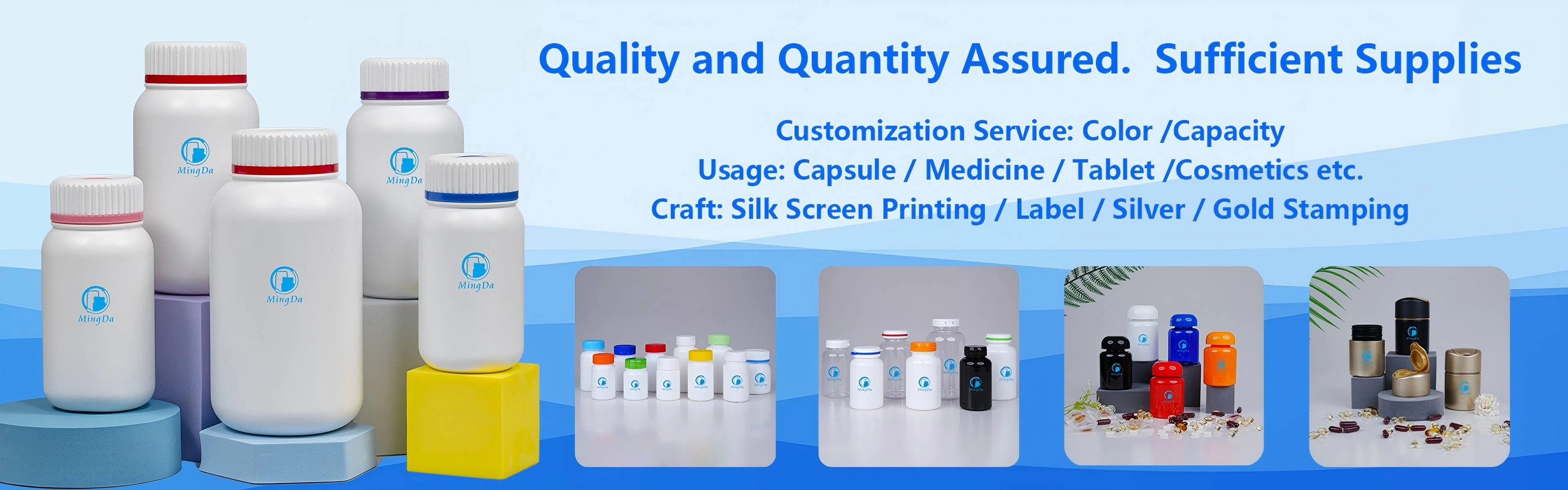


How to Choose the Right Partner for Small-Batch Packaging Needs
Introduction: Why Low MOQ Matters More Than Ever
In plastic bottle sourcing, pricing is rarely the first real obstacle.
For many brands, especially at an early stage, the real challenge appears much sooner - minimum order quantity. I've seen many promising product ideas slow down or stop entirely, not because demand was unclear, but because the packaging order required too much upfront commitment.
As brands move faster, launch more SKUs, and test markets more cautiously, low MOQ has become less of a "nice-to-have" and more of a practical requirement. Choosing manufacturers that genuinely support low MOQ orders can significantly reduce risk, improve cash flow, and make product launches far more manageable.
Why Low MOQ Is Becoming a Standard Requirement
Not long ago, most plastic bottle factories were built around large, stable orders. Production planning, material purchasing, and pricing models all favored volume. Small orders were often seen as inefficient or disruptive.
Today, the situation has changed. Brands increasingly prefer to validate products through small batches before committing to scale. This shift has made low MOQ less about negotiation and more about a manufacturer's operational flexibility. A factory that supports low MOQ well usually has systems, inventory planning, and production scheduling designed for that reality.
What Is Considered a "Low MOQ" in Plastic Bottle Manufacturing?
Low MOQ is not a fixed number. It depends heavily on mold availability, material type, color requirements, and production setup. Asking for a number without context often leads to confusion.
In most real-world scenarios, MOQs around 3,000–5,000 units indicate strong low-volume support, especially when quality standards remain consistent. Once MOQs exceed 20,000 units, the supplier usually operates with a traditional mass-production mindset, which may limit flexibility for test orders.
Material choice also plays a role. HDPE bottles generally allow more flexibility, while PET bottles - especially with custom colors or finishes - tend to require higher minimums.
Who Benefits Most from Low MOQ Plastic Bottle Suppliers?
Low MOQ is especially valuable for buyers who need flexibility rather than volume. Startups, private-label brands, and e-commerce sellers often operate under tight timelines and limited inventory tolerance. For them, committing to large packaging quantities before market validation can create unnecessary pressure.
In my experience, buyers who prioritize fast feedback, controlled risk, and scalable growth tend to gain the most from manufacturers that treat low MOQ as a normal part of their service, not an exception.
What Capabilities Define a True Low MOQ Manufacturer?
1. Broad Existing Mold and Bottle Selection
Manufacturers that consistently support low MOQ usually rely on a wide range of existing bottle molds rather than custom tooling for every project. This allows buyers to start with proven designs and adjust details later as volume grows.
2. Flexible Production Scheduling
Low MOQ requires more than producing fewer units. It demands efficient line changeovers and thoughtful production planning. Factories that handle this well can maintain reliable delivery times even with smaller orders.
3. Ready Material and Color Inventory
Many MOQ challenges arise from material or color sourcing rather than bottle shape. Manufacturers that keep common resins and standard colors in stock can offer significantly lower minimums without compromising consistency.
4. Consistent Quality Control for Small Orders
Reliable manufacturers apply the same quality checks to small orders as they do to large ones. Skipping tests for low-volume runs usually signals a lack of process maturity.
Common Trade-Offs When Ordering with Low MOQ
Low MOQ does not eliminate compromise. Unit pricing may be slightly higher, customization options may be limited, and some processes might be postponed until volumes increase. The key is transparency.
When trade-offs are clearly explained upfront, buyers can plan effectively and avoid surprises later.
How to Evaluate a Manufacturer for Low MOQ Orders
Rather than relying on claims, buyers should look for practical signals: how quickly bottle options are shared, how clearly MOQ conditions are explained, and whether future scaling is part of the conversation.
Manufacturers that understand low MOQ usually discuss today's small order and tomorrow's growth in the same context.
Industries Where Low MOQ Is Commonly Used
Low MOQ is especially common in nutraceuticals, cosmetics, food, pharmaceuticals, and household products - industries where product updates are frequent and market response matters more than volume at launch.
Why Some Manufacturers Handle Low MOQ Better Than Others
The difference usually lies in business structure, not equipment. Manufacturers with export experience, standardized processes, and long-term client strategies tend to treat low MOQ as part of normal operations rather than an inconvenience.
Final Thoughts: Low MOQ Is a Starting Point, Not the Goal
Low MOQ allows brands to move forward with confidence, test ideas responsibly, and build partnerships gradually. The best manufacturers see small orders as the beginning of a long-term relationship, not a short-term compromise.
Choosing such a partner often matters more than choosing the lowest quote.