



In pharmaceutical and nutraceutical packaging, I've noticed one design showing up more and more often: ring-pull (tear-off) packaging.
From capsule bottles to tablet containers and powder jars, ring-pull seals are no longer a niche option. They're becoming a preferred choice for brands that care about user experience, tamper evidence, and product safety.
However, after comparing different suppliers over time, one thing has become very clear to me:
ring-pull packaging looks simple, but manufacturing it well is not.
In this article, I'll walk through how I evaluate plastic bottle manufacturers for ring-pull pharmaceutical packaging and explain the five types of manufacturers that are truly worth considering.
Why Ring-Pull Packaging Is Gaining Popularity in Pharma
Ring-pull packaging isn't just about visual appeal. In my experience, it solves several real-world problems at once.
From the end user's perspective:
- Easy to open without tools
- Clear tamper evidence on first use
- More comfortable for elderly users or long-term patients
From a brand or pharmaceutical company's perspective:
- Reduces the risk of secondary opening or product replacement
- Enhances trust and perceived safety
- Improves usability without compromising compliance
Because of these benefits, ring-pull seals have moved beyond supplements and are now widely used in regulated pharmaceutical packaging.

What Ring-Pull Pharmaceutical Packaging Really Includes
One common mistake I see is focusing only on whether a bottle "has a ring-pull."
In reality, ring-pull packaging is a system, not a single component.
A complete setup usually includes:
- A plastic bottle (HDPE or PET)
- A ring-pull aluminum or composite seal
- An outer screw cap or protective closure
The real challenges lie in:
- Consistent pull force
- Accurate sealing between the foil and the bottle neck
- Long-term airtight performance during storage
Only manufacturers with true pharmaceutical packaging experience handle these details well.


Key Technical Requirements for Ring-Pull Pharma Bottles
When I compare suppliers, I focus on four core areas:
1. Material suitability
- Whether HDPE provides stable moisture and oxygen resistance
- Whether PET balances clarity with chemical stability
- Whether the manufacturer understands the difference between food-grade and pharmaceutical-grade materials
2. Controlled opening force
- Too tight frustrates users
- Too loose compromises safety
- Consistency across large batches matters more than sample performance
3. Seal integrity
- Compatibility with pressure-sensitive or heat-sealed foils
- Protection against moisture and oxidation
- Proven performance in long-term storage tests
4. Mass-production stability
- Good samples don't guarantee good bulk production
- Automated inspection and torque control are critical
- Compatibility with high-speed filling lines is essential
What a Reliable Ring-Pull Packaging Manufacturer Should Offer
Based on what I've seen, strong suppliers usually share these traits:
- Clean or pharmaceutical-grade production environments
- The ability to provide bottle, cap, and sealing solutions together
- Real quality testing processes-not just promises
- Practical knowledge of FDA, ISO, and export compliance
- Experience serving pharmaceutical or nutraceutical brands long term
If a factory focuses only on price or delivery speed and avoids discussing testing or system design, I tend to proceed carefully.


Top 5 Plastic Bottle Manufacturers for Ring-Pull Pharmaceutical Packaging
(Grouped by Capability, Not Rank)
Instead of a simple ranking, I find it more helpful to look at manufacturer types.
1. Pharma-focused comprehensive manufacturers
These companies specialize in pharmaceutical packaging and operate with strict quality systems and certifications.
Best for:
Regulated pharmaceutical products and compliance-driven brands.
2. Manufacturers with in-house ring-pull development
Rather than relying on off-the-shelf foils, these suppliers adjust seal structures to match bottle neck design.
Strengths:
- Better opening experience
- Greater customization potential
3. High-capacity manufacturers for long-term supply
They may not emphasize customization, but they excel at stable delivery and cost control.
Best for:
Standardized products and repeat orders.
4. Suppliers offering complete sealing systems
I personally value this category highly. Many sealing failures come from poor component matching, not material defects.
Key advantage:
Better compatibility between bottle, foil, and cap.
5. Export-experienced Chinese manufacturers (Example: Mingda)
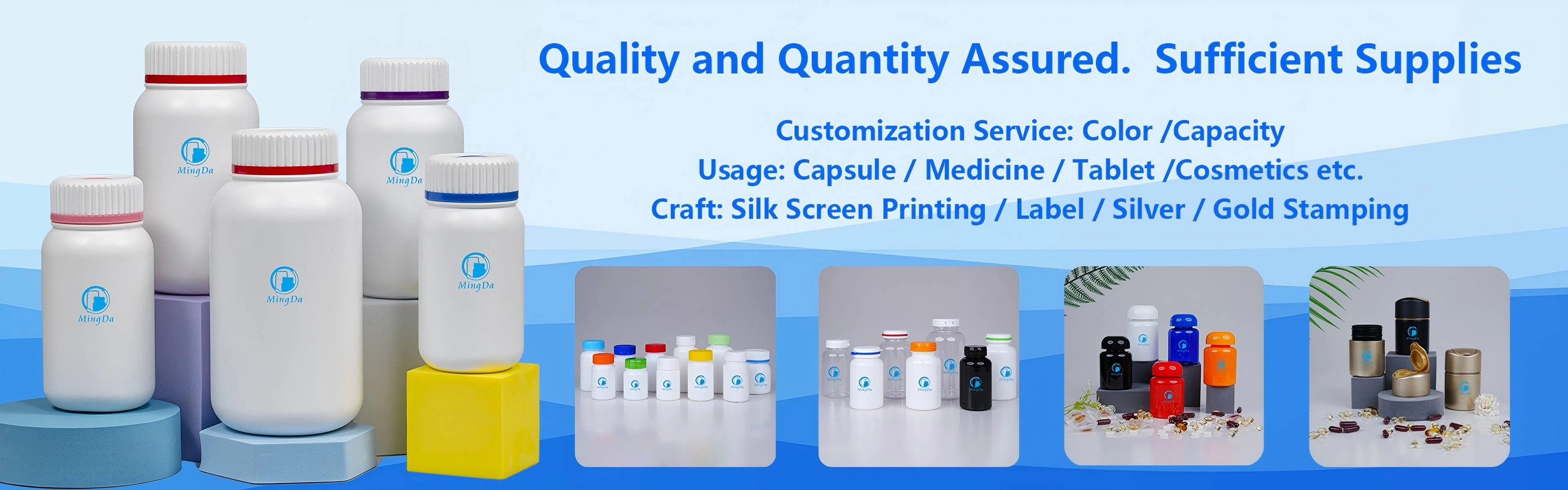
During my research, I've come across several Chinese manufacturers with strong international backgrounds, including Hubei Mingda Plastics Products Co., Ltd.
What stands out with this type of supplier:
- Solid experience with HDPE and PET pharmaceutical bottles
- Support for ring-pull aluminum foil seals
- Full testing routines (leakage, pull force, drop tests, etc.)
- Practical understanding of overseas regulatory expectations
For buyers seeking a balance between quality, reliability, and cost, this category is worth serious consideration.
How I Recommend Choosing a Ring-Pull Packaging Supplier
If I had to summarize my advice, it would be this:
- Define your target market first, then confirm packaging standards
- Test the ring-pull experience carefully at the sample stage
- Evaluate long-term supply capability, not one-time delivery
- Choose manufacturers who can explain their design logic clearly
Factories that understand why a structure works usually deliver more consistent results.
Final Thoughts
Ring-pull pharmaceutical packaging isn't just a design trend. It reflects a manufacturer's system-level capability.
The best plastic bottle suppliers treat safety, usability, and production stability as equally important. That's the mindset I look for-and the reason I put this guide together.
If you're currently evaluating manufacturers for ring-pull pharmaceutical packaging, I hope this breakdown gives you a clearer, more practical direction.