

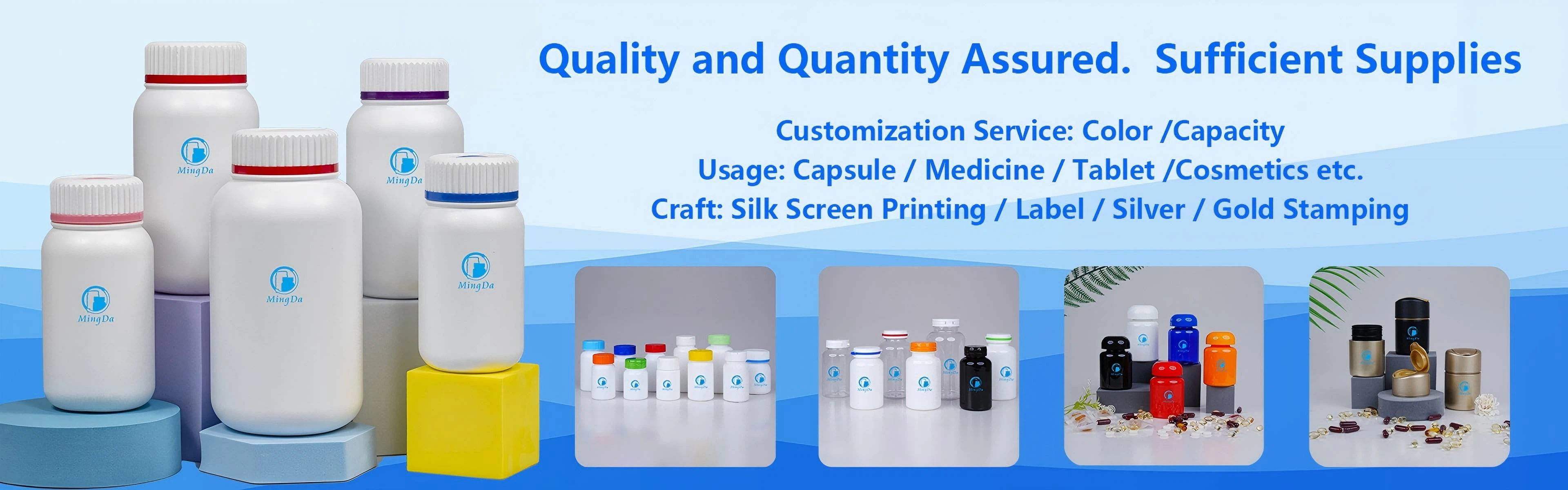


Storing plastic bottles and jars properly before filling may seem simple, but it has a direct impact on product quality, safety, and filling efficiency. Poor storage conditions can lead to deformation, dust contamination, odor absorption, or sealing issues-problems that often only show up much later in production.
Below are practical, easy-to-follow storage tips based on real manufacturing and warehouse experience.
Storage Environment Requirements
Temperature and Humidity Control
Plastic bottles and jars should be kept in a stable indoor environment. Extreme temperatures or large fluctuations can affect the physical properties of materials like HDPE, PET, and PP.
A temperature range of 10–30°C (50–86°F) is generally recommended. High humidity should also be avoided, as moisture can cause condensation inside cartons and attract dust to bottle surfaces. Ideally, relative humidity should stay below 70%.
A controlled environment helps maintain container shape and cleanliness before use.

Avoid Direct Sunlight
Long-term exposure to sunlight or strong UV light can accelerate plastic aging. This is especially important for transparent or light-colored PET containers.
Bottles and jars should be stored away from windows, skylights, or outdoor loading areas. Using shaded storage zones helps prevent discoloration and keeps the material stable over time.
Proper Stacking Practices
Improper stacking is one of the most common reasons empty bottles become deformed before filling.
Always follow recommended stacking heights. Avoid placing heavy items on top of empty containers, and make sure cartons are aligned evenly on flat pallets. Uneven pressure over long periods may cause bottle mouths to become oval or jar bodies to collapse slightly.
Packaging Protection
Dust Protection
Even in clean warehouses, dust in the air is unavoidable.
To reduce contamination, bottles are usually packed with inner PE liners or protective film. It's best to keep cartons sealed until they are ready for use and avoid opening too many cartons in advance.
Keeping containers covered helps ensure the inner surfaces stay clean for direct filling.
Protection Against Compression
Cartons offer basic protection, but handling practices matter just as much.
Avoid dragging cartons on the floor or stacking them tightly against walls or pillars. Leaving small gaps between pallet rows improves airflow and reduces pressure buildup.
Some compression damage is not obvious at first, but it can cause issues during filling or capping.
Surface and Mark Protection
Even without labels, container appearance still matters-especially for transparent or premium packaging.
Prevent bottles from rubbing against each other or contacting sharp or metal surfaces. Keeping cartons dry also helps maintain clear product identification and carton strength.
Pre-Shipment Inspection

Visual Inspection
Before shipping or moving containers to the filling area, a basic visual check is recommended.
Look for cracks, deformation, damaged threads, or inconsistent color. Catching issues early helps avoid disruptions during production.
Odor Check
Plastic containers can absorb odors if stored in poor conditions.
Random samples should be checked by smell. Containers should not have chemical, musty, or foreign odors. Any unusual smell often points to storage or environmental issues.
Closure Fit Test
Even before filling, it's useful to test the bottle and cap compatibility.
Sample bottles can be matched with corresponding caps to ensure smooth threading and proper fit. This helps identify deformation or storage-related issues in advance.
Preparation Before Use
Rinsing Recommendations
For applications with higher hygiene standards, a light rinse may be recommended.
Clean air or purified water is commonly used, followed by complete drying. Tap water is generally avoided unless it meets internal quality requirements.
Odor Reduction
Containers stored for long periods may benefit from simple ventilation.
Allowing bottles to air out in a clean area is often sufficient. Chemical deodorizers are usually not recommended, as they may leave residue.
Final Check Before Filling
Just before filling, operators should perform a final inspection.
Check for dust, foreign particles, insects, or shape abnormalities. Removing questionable containers at this stage can prevent much larger issues later.


Final Thoughts
Proper storage of plastic bottles and jars before use is not just about warehouse organization-it directly affects product quality, production efficiency, and risk control.
By maintaining suitable storage conditions, using protective packaging, and performing basic inspections, manufacturers can greatly reduce avoidable problems and ensure smoother filling operations.