


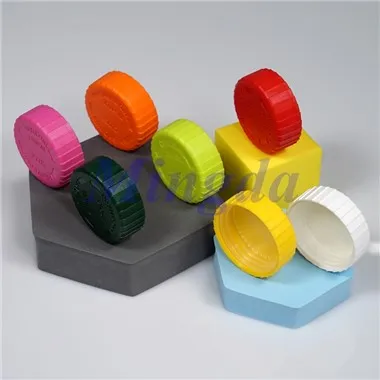

Plastic jars are widely used in various industries, from food and beverage to pharmaceuticals, due to their durability, affordability, and versatility. However, one common issue that can occur with plastic jars is cracking. Cracking not only affects the aesthetic appeal of the jars but can also lead to product leakage and contamination. As a plastic jars supplier, I understand the importance of preventing these issues to ensure customer satisfaction. In this blog, I'll share some effective strategies to prevent plastic jars from cracking.
Understanding the Causes of Cracking
Before we dive into prevention methods, it's essential to understand why plastic jars crack. There are several factors that can contribute to cracking:
1. Temperature Changes
Plastic is a material that expands and contracts with temperature changes. If a plastic jar is exposed to extreme heat or cold, the material can expand or contract rapidly, causing stress on the jar and potentially leading to cracks. For example, if a jar filled with a liquid is placed in a freezer, the liquid may freeze and expand, putting pressure on the jar walls.
2. Chemical Exposure
Some chemicals can react with plastic, weakening its structure and making it more prone to cracking. For instance, certain solvents, acids, or bases can cause the plastic to degrade over time. It's crucial to choose the right type of plastic for the product it will contain to avoid chemical reactions.
3. Physical Stress
Rough handling, dropping, or excessive pressure can cause physical stress on the plastic jar. Even a small impact can create micro - cracks that may grow over time and eventually lead to a full - blown crack.
4. Manufacturing Defects
Poor manufacturing processes can result in weak spots in the plastic jar. These weak spots are more likely to crack under normal use conditions. Issues such as uneven wall thickness or improper molding can contribute to this problem.
Preventive Measures
1. Choose the Right Plastic Material
The type of plastic used in the jar plays a significant role in its resistance to cracking. High - density polyethylene (HDPE) is a popular choice for many applications because it is strong, durable, and resistant to a wide range of chemicals. Our Hdpe Pharmaceutical Containers are made from high - quality HDPE, which provides excellent protection against cracking and chemical degradation.
2. Optimize Manufacturing Processes
To ensure the quality of the plastic jars, it's crucial to have strict manufacturing standards. This includes maintaining consistent wall thickness, proper molding techniques, and quality control checks. By using advanced manufacturing equipment and techniques, we can minimize the risk of manufacturing defects that could lead to cracking.
3. Consider Temperature and Chemical Compatibility
When using plastic jars, it's important to consider the temperature and chemical environment in which they will be used. If the product will be exposed to extreme temperatures, choose a plastic material that can withstand those conditions. Similarly, if the product contains chemicals, make sure the plastic is compatible with those chemicals. For example, our colored plastic jars are designed to be resistant to a variety of chemicals and temperature changes.


4. Proper Handling and Storage
Proper handling and storage of plastic jars can significantly reduce the risk of cracking. Train your employees on how to handle the jars gently, avoiding dropping or rough handling. When storing the jars, make sure they are placed on a flat, stable surface and not stacked too high to avoid excessive pressure.
5. Use Protective Packaging
If the plastic jars are being shipped or transported, use protective packaging to cushion the jars and prevent them from being damaged. Bubble wrap, foam inserts, or corrugated cardboard can provide an extra layer of protection.
6. Regular Inspections
Regularly inspect the plastic jars for any signs of damage or cracking. Early detection of micro - cracks can prevent them from growing into larger, more serious cracks. If any damaged jars are found, remove them from circulation immediately to avoid potential product leakage or contamination.
Case Studies
Let's take a look at a few case studies to see how these preventive measures work in real - world scenarios.
Case Study 1: Food Industry
A food company was experiencing a high rate of cracked plastic jars in their product line. After analyzing the situation, they found that the jars were being exposed to high temperatures during the filling process, which was causing thermal stress and cracking. By switching to a heat - resistant plastic material and optimizing the filling process to reduce temperature exposure, they were able to significantly reduce the rate of cracking.
Case Study 2: Pharmaceutical Industry
A pharmaceutical company was using plastic jars to store medications. They noticed that some of the jars were cracking due to the chemical properties of the medications. After consulting with our experts, they switched to our Hdpe Pharmaceutical Containers, which are designed to be compatible with a wide range of pharmaceutical chemicals. This change eliminated the cracking problem and ensured the safety and integrity of the medications.
Conclusion
Preventing plastic jars from cracking is essential for maintaining product quality and customer satisfaction. By understanding the causes of cracking and implementing the preventive measures outlined in this blog, you can significantly reduce the risk of cracked jars. As a plastic jars supplier, we are committed to providing high - quality products and helping our customers solve their packaging challenges.
If you're interested in purchasing our plastic jars, such as colored plastic jars or white medicine bottles, we encourage you to reach out to us for a detailed discussion. We can provide customized solutions based on your specific needs and requirements.
References
- ASTM International. (2023). Standard Test Methods for Plastic Containers.
- Plastics Industry Association. (2023). Best Practices for Plastic Packaging.
- Packaging Digest. (2023). Preventing Cracking in Plastic Packaging.