


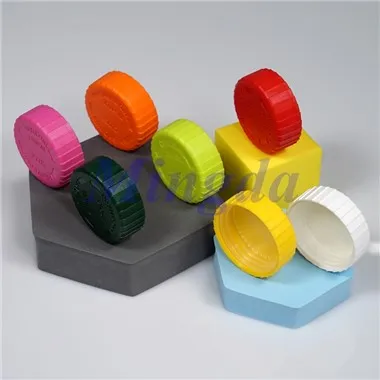

Hey there! As a supplier of Plastic PET Jars, I know how crucial it is to ensure the hygiene of these containers. After all, they're used to store all sorts of things, from food and beverages to personal care products. So, in this blog post, I'm gonna share some tips on how to keep your PET jars clean and safe for use.
1. Choose High - Quality PET Material
The first step in ensuring the hygiene of PET jars is to start with high - quality PET material. Good quality PET is less likely to have impurities or contaminants that could affect the contents inside. When we source our PET, we make sure it meets strict quality standards. High - grade PET has better resistance to chemicals and is less prone to cracking or leaching, which helps maintain the hygiene of the stored products.
2. Proper Manufacturing Process
A clean manufacturing environment is key. Our production facilities are kept spotless. We have strict cleaning protocols for all the machinery used in making the PET jars. Regular maintenance and cleaning of the molds, extruders, and other equipment prevent the build - up of dirt and bacteria.
During the manufacturing process, we also take steps to minimize the risk of contamination. For example, we use air filtration systems to keep the air clean in the production area. And all the workers are required to wear protective gear like gloves, hairnets, and lab coats to prevent any foreign particles from getting into the jars.
3. Sterilization Methods
Once the jars are manufactured, they need to be sterilized. There are several methods we can use for this. One common method is heat sterilization. We can heat the jars to a high temperature for a certain period of time to kill any bacteria or microorganisms. This is a very effective way to ensure the jars are hygienic.
Another method is chemical sterilization. We use food - grade chemicals that are safe to use with PET jars. These chemicals can kill a wide range of bacteria and fungi. However, it's important to make sure that all the chemical residues are thoroughly rinsed off after the sterilization process.
4. Storage Conditions
Proper storage is also essential for maintaining the hygiene of PET jars. When the jars are not in use, they should be stored in a clean, dry, and well - ventilated area. Storing them in a humid environment can lead to the growth of mold and mildew.
We also recommend storing the jars away from direct sunlight. UV rays can cause the PET material to degrade over time, which might affect the hygiene of the jars. And of course, the storage area should be free from pests and other contaminants.
5. Handling and Filling
When it comes to handling and filling the PET jars, there are some important things to keep in mind. Workers should always wash their hands thoroughly before handling the jars. And any tools or equipment used for filling should be clean and sterilized.
During the filling process, it's important to prevent any spillage or splashing. Spilled product can attract bacteria and make the jars unhygienic. If there is any spillage, it should be cleaned up immediately.
6. Packaging
The packaging of the PET jars also plays a role in maintaining hygiene. We use clean and protective packaging materials. For example, we might use plastic wraps or cardboard boxes to protect the jars during transportation and storage. This helps prevent dust, dirt, and other contaminants from getting on the jars.
7. Regular Inspections
Regular inspections are a must. We check the jars for any signs of damage, such as cracks or scratches. Damaged jars can be a breeding ground for bacteria and should be discarded. We also check for any signs of contamination, like discoloration or an unusual smell.
8. Education and Training
We provide education and training to our employees on the importance of hygiene. They are taught about proper cleaning and handling procedures. This helps ensure that everyone in the company is aware of how to maintain the hygiene of our PET jars.
9. Compatibility with Contents
It's important to make sure that the PET jars are compatible with the products they will hold. Different products have different chemical properties, and some might react with the PET material. For example, if you're storing acidic substances, you need to make sure the PET jars can withstand the acid without leaching or degrading.
10. Labeling and Traceability
Proper labeling is crucial. We label our jars with information about the manufacturing date, batch number, and any special handling instructions. This helps in traceability. If there are any issues with the hygiene of the jars, we can easily track back to the source and take appropriate action.
Specific Applications and Hygiene
Coloured PET Bottles
Coloured PET bottles are often used for cosmetic or beverage products. For these bottles, in addition to the general hygiene measures, we need to pay special attention to the colorants used. The colorants should be food - grade and safe for contact with the contents. And since these bottles are often more visible, any signs of dirt or contamination are more noticeable. So, extra care should be taken during cleaning and handling.
Protein Powder Jars
Protein powder jars need to be extremely hygienic because they store a product that is consumed. The jars should be sealed tightly to prevent moisture and air from getting in, which can cause the powder to clump and spoil. Also, the interior of the jars should be smooth to prevent the powder from sticking and harboring bacteria.

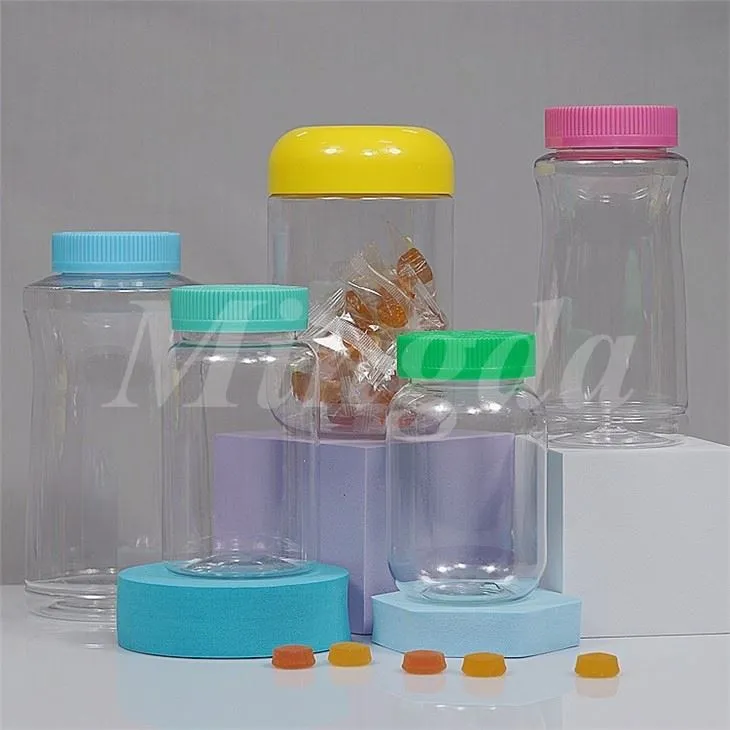
In conclusion, ensuring the hygiene of Plastic PET Jars is a multi - step process that involves everything from the choice of material to the final packaging. By following these tips, we can make sure that our PET jars are clean, safe, and suitable for storing a wide range of products.
If you're interested in purchasing high - quality and hygienic PET jars for your business, we'd love to have a chat with you. Reach out to us to discuss your requirements and start a great partnership!
References:
- Food and Drug Administration guidelines on plastic packaging.
- Industry best practices for PET jar manufacturing and hygiene.